Memento Flori - a speculative design project

Memento Flori - a speculative design project

How might virtual reality play a role in the grieving process? What would it look like if your virtual community came together to mourn your death, much as your friends and family would in real life? What might be possible if we used virtual spaces to memorialize lost loved ones?

These are the kinds of questions Memento Flori seeks to answer. By creating a real website for an imaginary virtual memorial service, we invite people to speculate about a future where virtual reality plays a role in the grieving process. We created a virtual world in Tivoli Cloud VR to explore this topic from three different facets and presented them as three testimonial videos for this imaginary service.
[+]

3D interaction techniques in Unity

3D interaction techniques in Unity

Google Cardboard leveraged the idea of using all the in-built sensors onboard most smartphones today to bring Virtual Reality to the masses. While suffering from a fair share of problems including phone heating and limited 3DoF tracking, it can still work as a good medium for testing out simple interactions in VR.

I created a simple virtual room with some interactable objects and navigation (teleportation) as the final submission in a Coursera online course from the University of London on 3D interaction design. The well-rounded course discussed the pros and cons of common methods of accomplishing interaction tasks like selection, navigation and manipulation in 3D environments. It also gave many practical tips on implementation of the methods in Unity. The fast-changing VR tech stack had made some of the packages and tools in the course obsolete so I had to search for proper substitutes and figure out quite a lot of things on my own.

[+]

Smoke segmentation using Deep Learning

Smoke segmentation using Deep Learning

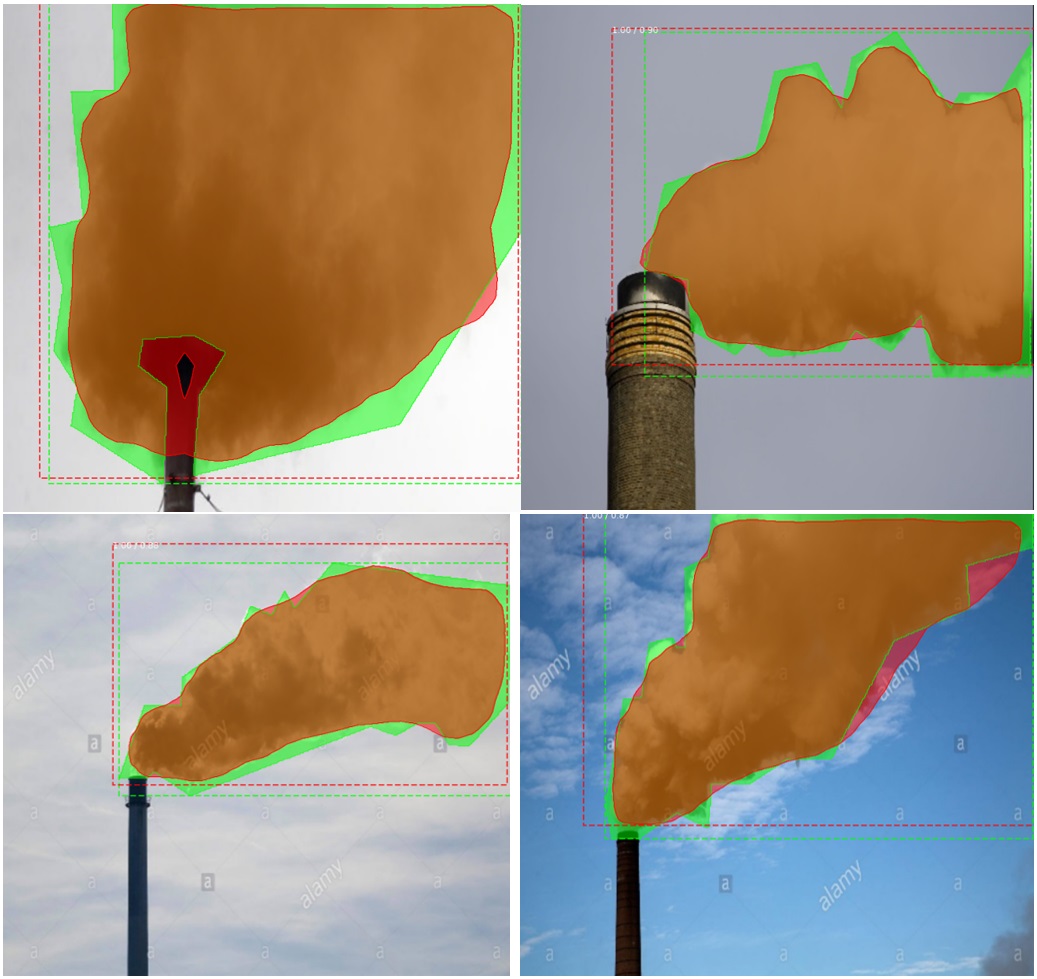
Developed during the Computer Vision course under the guidance of Dr. Pritee Khanna at IVE Lab, IIITDMJ, this research project uses state-of-the-art deep learning algorithms like Mask RCNN for automatic segmentation of smoke regions in images.

Technologies used: Deep Learning, Computer Vision, Python, Google Colab

ive-smoke

Green area represents actual smoke area (ground truth), Red area represents automatic segmented area, Brown region is the overlap between these.

[+]

OzCHI 2019 Student Design Challenge

OzCHI 2019 Student Design Challenge

Update (Oct. 28, 2019): Our team, Team Outeraction, has been specially mentioned as being among the top 5 out of all the teams participating internationally, after three tough rounds of expert panel reviews! This year’s edition had attracted very high quality submissions, compared to the previous years.

I participated in the OzCHI 2019 Student Design Challenge as part of Team Outeraction. We came up with a system to build and maintain social capital during adverse events, with specific consideration of Mumbai floods. We had a whole of 24 hours to develop the brainstorm on the provided brief and present our solution with a short video, paper and blog showing our process. I took up the responsibility of writing the paper. You can find our entire process on the Medium blog, including the final video explanation. It was a great learning experience!

[+]

Look Ma, virtual hands!

Look Ma, virtual hands!

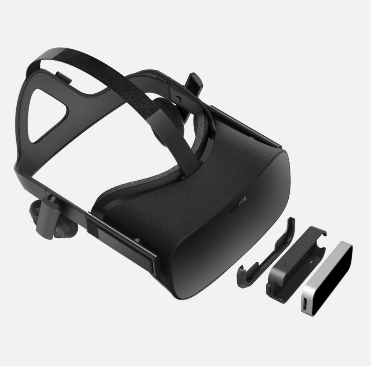
Controller-less tracking frees the body to perform intuitive gestures to interact with computers. Leap Motion does just that: it is a special IR based hand tracking solution. Throw in an Oculus Rift into the mix and you are suddenly zipping through virtual space with shiny virtual hand avatars! I was working on implementation of some novel virtual object selection techniques and researching their efficacy in comparison to classic techniques like Raycasting. I was also researching the different feedback possibilities for a bespoke controller to enable non-visual access to virtual environments. These projects were a part of my six month internship at Embedded Interaction Lab, IIT Guwahati under the guidance of Dr. Keyur Sorathia and PhD students of the lab, Pranjal Borah and Shimmila Bhowmick. We hope to have our work published in upcoming conferences like TEI'20 and IEEE VR'20. Find out more about my research and publications here.

[+]